We all carry a small amount of sugar in our bloodstream, and this glucose is what fuels every cell in the body. Normally, your system keeps glucose levels within a healthy range using insulin — a hormone released when blood sugar begins to climb. Type 2 diabetes develops when the body does not produce enough insulin, or when your cells stop responding properly to it, a condition known as insulin resistance. As a result, glucose builds up in the blood while your cells are deprived of the energy they need. Over time, this elevated sugar level can harm delicate tissues in the eyes, kidneys, nerves, and extremities.
What Should I Eat?
Managing diabetes involves a combination of healthy eating, regular activity, medication (if prescribed), and consistent blood sugar monitoring. Many people are able to keep their blood sugar under control simply by following a balanced eating plan and moving their bodies daily. Most individuals do well with three meals plus two or three small snacks spaced throughout the day.
Understanding Carbohydrates
Carbohydrates are your body’s primary source of fuel, and every cell depends on them for energy. They are found in fruits, vegetables, grains, nuts, seeds, legumes, and dairy products. Carbohydrates come in three main types:
Sugars, which are simple carbs the body absorbs quickly and includes glucose, the main energy source.
Starches, which are longer chains of sugars.
Fiber, the portion of plants the body cannot fully digest. While not absorbed as energy, fiber supports heart health, digestion, and helps regulate blood sugar.
Why Choose Pears?
Your body needs carbohydrates, but pairing them with fiber, protein, or healthy fats at each meal helps slow digestion and keeps blood sugar from rising too quickly. Foods that naturally contain these balancing nutrients — like fiber-rich fruits and vegetables — are ideal choices.
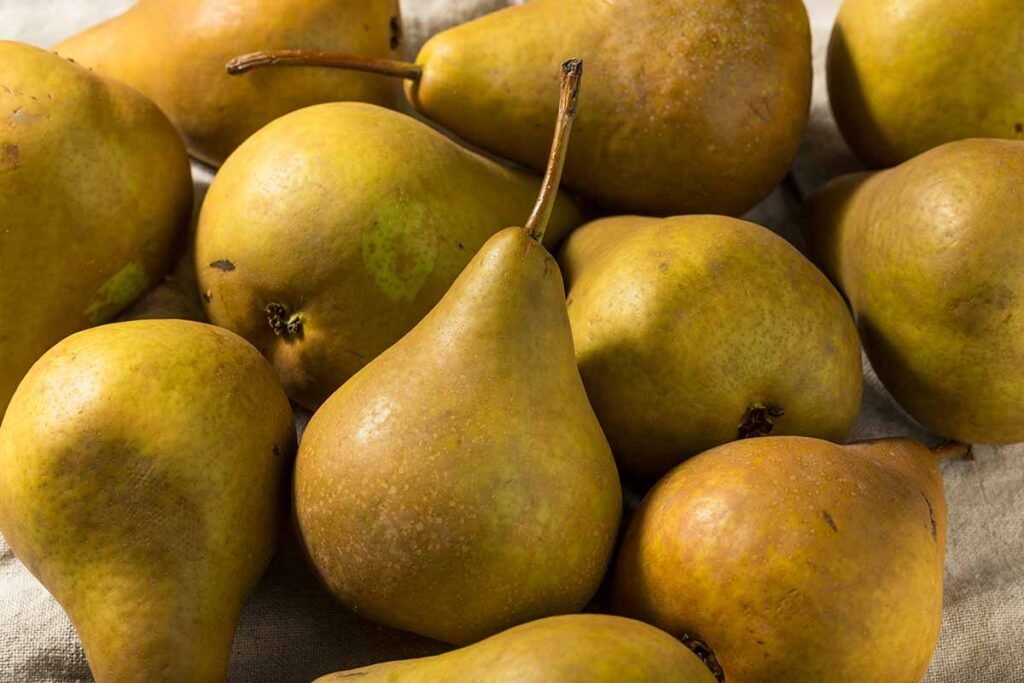
Pears are an excellent example. A medium pear offers around 6 grams of fiber, which is about 21% of your daily recommended intake, and also provides vitamin C. Eating two pears a day fulfills your daily fruit recommendation according to the Dietary Guidelines for Americans. Delicious and nutritious — it’s a win-win.
But Doesn’t Fruit Have Sugar?
Some people worry that fruit shouldn’t be eaten when managing diabetes because it contains natural sugar. However, this is a misconception. Whole fruit is packed with vitamins, minerals, antioxidants, fiber, and water — all essential nutrients. Most fruits, including pears, are considered low-glycemic, meaning they raise blood sugar slowly and gently. High-fiber fruits taste sweet but do not cause sharp spikes in blood glucose.
For carbohydrate counting, a small piece of fruit typically contains about 15 grams of carbohydrates, which counts as one serving.
The Glycemic Index
Many healthcare professionals recommend using the glycemic index (GI) as a guide. The GI ranks carbohydrate-containing foods on a scale of 1 to 100 based on how much they raise blood sugar. Lower-GI foods create a smaller effect on glucose levels. According to Diabetes Care, a medium pear scores around 38 on the GI scale, classifying it as a low-glycemic food.